
Unlocking the Potential: Exploring the Benefits of Large Part Injection Molding in Manufacturing
Release date:
2026-07-05 19:10
Author:
Unlocking the Potential: Exploring the Benefits of Large Part Injection Molding in Manufacturing Table of Contents 1. Introduction to Large Part Injection Molding 2. Understanding the Injection Molding Process 3. Key Benefits of Large Part Injection Molding 3.1 Cost Efficiency in Manufacturing 3.2 Enhanced Product Quality 3.3 Design Flexibi
Unlocking the Potential: Exploring the Benefits of Large Part Injection Molding in Manufacturing
Table of Contents
- 1. Introduction to Large Part Injection Molding
- 2. Understanding the Injection Molding Process
- 3. Key Benefits of Large Part Injection Molding
- 3.1 Cost Efficiency in Manufacturing
- 3.2 Enhanced Product Quality
- 3.3 Design Flexibility and Innovation
- 4. Applications of Large Part Injection Molding
- 5. Technological Advancements in Large Part Injection Molding
- 6. Sustainability and Environmental Impact
- 7. Challenges in Large Part Injection Molding
- 8. Future Trends in Large Part Injection Molding
- 9. Conclusion
- 10. Frequently Asked Questions
1. Introduction to Large Part Injection Molding
Large part injection molding is a manufacturing technique that enables the mass production of large plastic components through a highly efficient process. This method has gained traction in various industries due to its ability to produce complex shapes with precise dimensions. Manufacturers are increasingly recognizing the advantages of large part injection molding, which not only streamlines production but also enhances product performance.
2. Understanding the Injection Molding Process
The injection molding process involves several critical steps. Initially, raw plastic material is heated until it reaches a molten state. This molten plastic is then injected into a specially designed mold, where it cools and solidifies into the desired shape. This method is highly repeatable, making it ideal for producing large quantities of uniform parts. The efficiency of this process is especially pronounced in the production of large components, where it minimizes waste and maximizes output.
3. Key Benefits of Large Part Injection Molding
Large part injection molding offers numerous benefits that make it a preferred choice for manufacturers aiming to improve their production capabilities.
3.1 Cost Efficiency in Manufacturing
One of the primary advantages of large part injection molding is its cost efficiency. By producing parts in bulk, manufacturers can significantly reduce the cost per unit. The high-speed nature of the injection molding process also leads to decreased labor costs, as fewer operators are required to manage the production line. Furthermore, the minimal waste generated during the injection process contributes to long-term savings.
3.2 Enhanced Product Quality
The precision offered by large part injection molding ensures high-quality products with tight tolerances. This precision leads to fewer defects, resulting in lower rejection rates and enhanced customer satisfaction. Additionally, the ability to integrate various features into a single mold reduces the need for secondary operations, further improving overall product quality.
3.3 Design Flexibility and Innovation
Large part injection molding provides significant design flexibility, allowing manufacturers to create intricate shapes and complex geometries. This capability encourages innovation, enabling companies to push the boundaries of product design. The use of advanced materials also allows for the development of lightweight, durable components that meet various industry standards.
4. Applications of Large Part Injection Molding
The versatility of large part injection molding means it is applicable in a wide array of industries. Its capacity to produce large components efficiently opens doors for numerous applications.
4.1 Large Parts in the Automotive Industry
In the automotive sector, large part injection molding is employed to manufacture essential components such as dashboards, bumpers, and interior panels. The ability to produce these parts in large quantities helps automotive manufacturers meet high demand while maintaining quality standards.
4.2 Consumer Goods and Electronics
Consumer goods manufacturers leverage large part injection molding to produce items like appliances, furniture, and various electronic casings. The durability and aesthetic qualities of molded parts enhance the product's marketability, making this method a popular choice for companies in the consumer goods sector.
5. Technological Advancements in Large Part Injection Molding
Recent technological advancements have further optimized large part injection molding processes. Innovations such as multi-component molding and the use of smart sensors in production lines have streamlined operations. These advancements help manufacturers monitor production in real-time, ensuring quality control while minimizing downtime.
6. Sustainability and Environmental Impact
As industries increasingly focus on sustainability, large part injection molding offers a greener manufacturing solution. The process generates minimal waste and utilizes recyclable materials, reducing the environmental footprint. Furthermore, energy-efficient injection molding machines contribute to lower energy consumption, aligning with global sustainability goals.
7. Challenges in Large Part Injection Molding
Despite its numerous benefits, large part injection molding does pose some challenges. The initial investment in machinery and molds can be substantial, which may deter smaller manufacturers. Additionally, achieving the desired precision and quality can necessitate extensive testing and refinement, particularly for complex designs.
8. Future Trends in Large Part Injection Molding
Looking ahead, several trends are emerging in large part injection molding. The integration of automation and robotics is likely to enhance production efficiency and reduce labor costs further. Additionally, the shift toward more sustainable materials and practices will continue to shape the industry as manufacturers seek to meet consumer demands for environmentally friendly products.
9. Conclusion
Large part injection molding stands at the forefront of modern manufacturing, offering a range of benefits that enhance efficiency, reduce costs, and improve product quality. As technology continues to evolve, manufacturers have the opportunity to harness these advancements to drive innovation and sustainability. By embracing large part injection molding, businesses can position themselves competitively in an ever-changing market.
10. Frequently Asked Questions
What is large part injection molding?
Large part injection molding is a manufacturing process that produces large plastic components through the injection of molten plastic into a mold.
What are the main advantages of using large part injection molding?
The main advantages include cost efficiency, enhanced product quality, and design flexibility, allowing for the production of complex shapes.
In which industries is large part injection molding commonly used?
It is commonly used in the automotive, consumer goods, and electronics industries, among others.
What challenges does large part injection molding face?
Challenges include high initial investment costs and the need for extensive testing to achieve desired quality and precision.
What trends are shaping the future of large part injection molding?
Future trends include increased automation, the use of sustainable materials, and advancements in production technology.
large part injection mold
26
2022
-
08
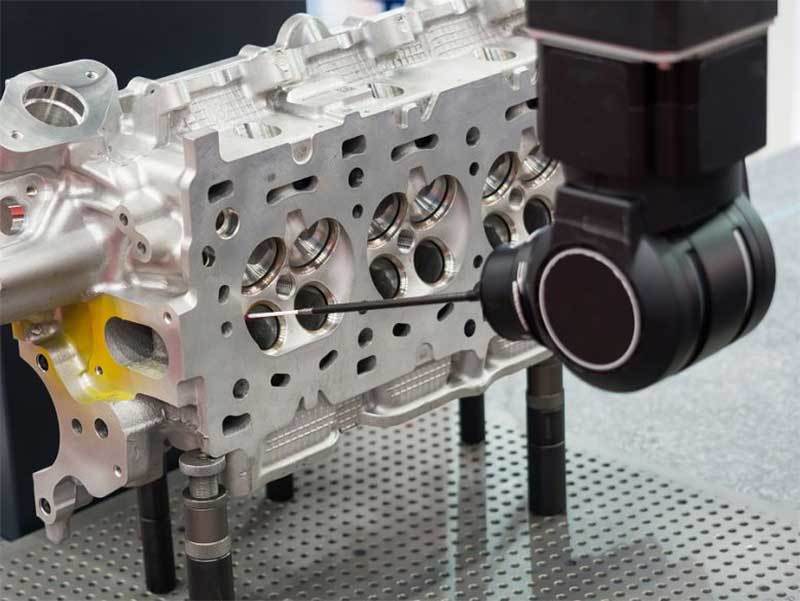
How to make a thermoplastic compression mold?
Thermoplastic is a type of resin that exists as a solid at room temperature but becomes plastic and pliable when heated—this occurs either through the melting of its crystalline structure or by flowing above its glass transition temperature.
09
2026
-
07

Common Mistakes to Avoid When Designing Prototype Plastic Molds
Common Mistakes to Avoid When Designing Prototype Plastic Molds Table of Contents Introduction to Plastic Mold Design Mistake 1: Ignoring Material Selection Mistake 2: Underestimating Cooling Time Mistake 3: Inadequate Draft Angles Mistake 4: Lack of Design for Manufacturability (DFM) Mistake 5: Neglecting Tolerances and Fit Mistake 6: Overlooking Mold Flow Analysis Mistake 7: Fai
08
2026
-
07
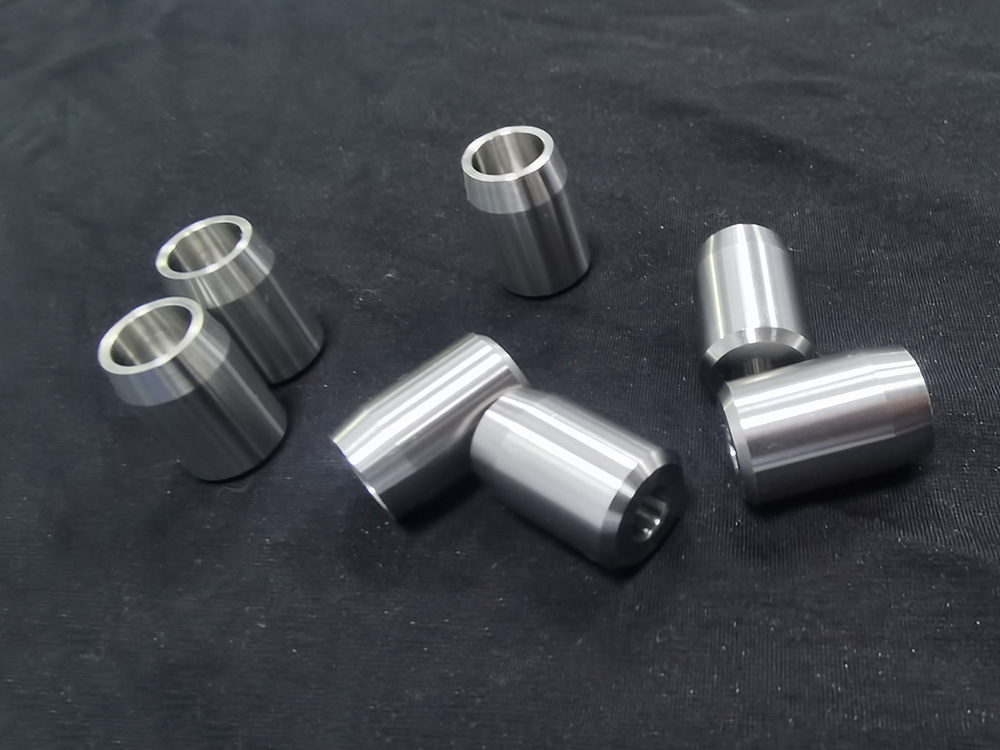
china Lathe parts machining manufacturers
Lathe Parts Machining is a manufacturing process that uses lathes to precisely machine metals, plastics, and composite materials. It primarily combines workpiece rotation with tool feed to achieve operations such as machining external diameters, internal holes, end faces, threads, grooves, and complex contours. As one of the most widely used machining methods in the machinery manufacturing industry, lathe parts machining is widely applied in automotive parts, industrial equipment, aerospace, electronics, hydraulic systems, and automation equipment due to its high machining efficiency, high dimensional accuracy, and excellent mass production capabilities.


Page keywords:
Ted Xing specializes in machining centers, automotive cooling molds, precision components for semiconductor equipment, and high-precision parts for medical devices. We also offer precision mechanical components, automation equipment parts, as well as advanced die-casting molds and plastic mold design and manufacturing. Additionally, we provide CNC product machining and lathe processing services, including three-axis, four-axis, and five-axis precision machining on machining centers. Our expertise extends to Japanese Makino slow-wire EDM and precision electro-discharge machining.
Contact Information
Address: No. 2 Xishan Road, Biquan Subdistrict, Bishan District, Chongqing City