
How to make a thermoplastic compression mold?
Release date:
2022-08-26 14:24
Author:
Thermoplastic is a type of resin that exists as a solid at room temperature but becomes plastic and pliable when heated—this occurs either through the melting of its crystalline structure or by flowing above its glass transition temperature.
Thermoplastic is a type of resin that exists as a solid at room temperature but becomes pliable and soft when heated—this occurs either through the melting of its crystalline structure or by flowing above its glass transition temperature. During processing, thermoplastics are typically shaped using methods like injection molding or blow molding: the material is melted into a mold, poured in as a molten form, and then allowed to cool and solidify into the desired shape. Some common thermoplastic materials include polyethylene (PE), polycarbonate (PC), and polyvinyl chloride (PVC).
Thermoplastic compression molds work by first placing plastic into the mold cavity, then gradually heating and applying pressure. Once the plastic transitions into a viscous flow state and completely fills the cavity, heating is stopped. Next, the cooling system is activated, allowing the plastic to cool down below its heat-deflection temperature before the mold is opened and the finished product is ejected.
Thermoplastic compression molds boast advantages such as low density, excellent toughness, superior impact resistance, outstanding water and solvent resistance, low cost, and direct recyclability. Additionally, their raw materials are easy to store, production efficiency is high, and the manufacturing process consumes minimal energy. Replacing thermoset composites with thermoplastic composites not only reduces weight and costs while boosting productivity and energy savings but also aligns perfectly with eco-friendly trends. As a result, thermoplastic compression molds are increasingly being adopted across various industries—such as the automotive sector, for instance.
26
2022
-
08
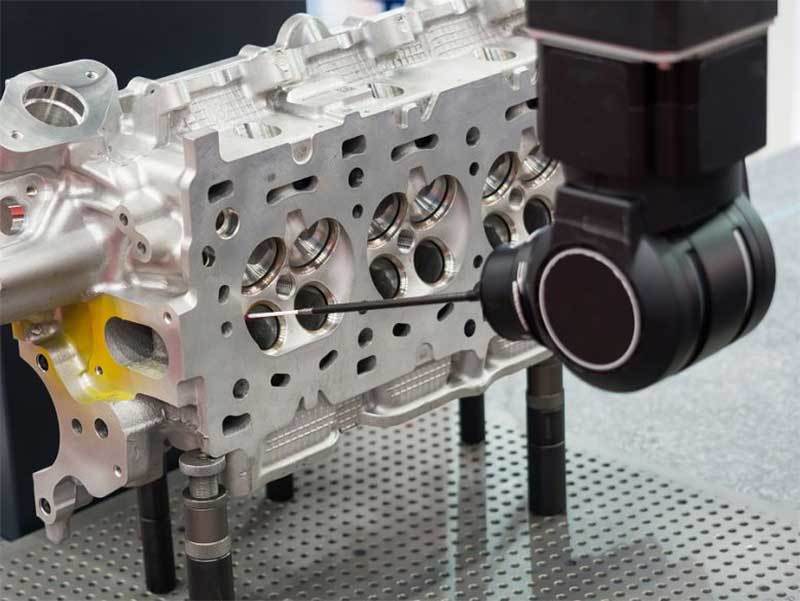
How to make a thermoplastic compression mold?
Thermoplastic is a type of resin that exists as a solid at room temperature but becomes plastic and pliable when heated—this occurs either through the melting of its crystalline structure or by flowing above its glass transition temperature.
07
2026
-
07
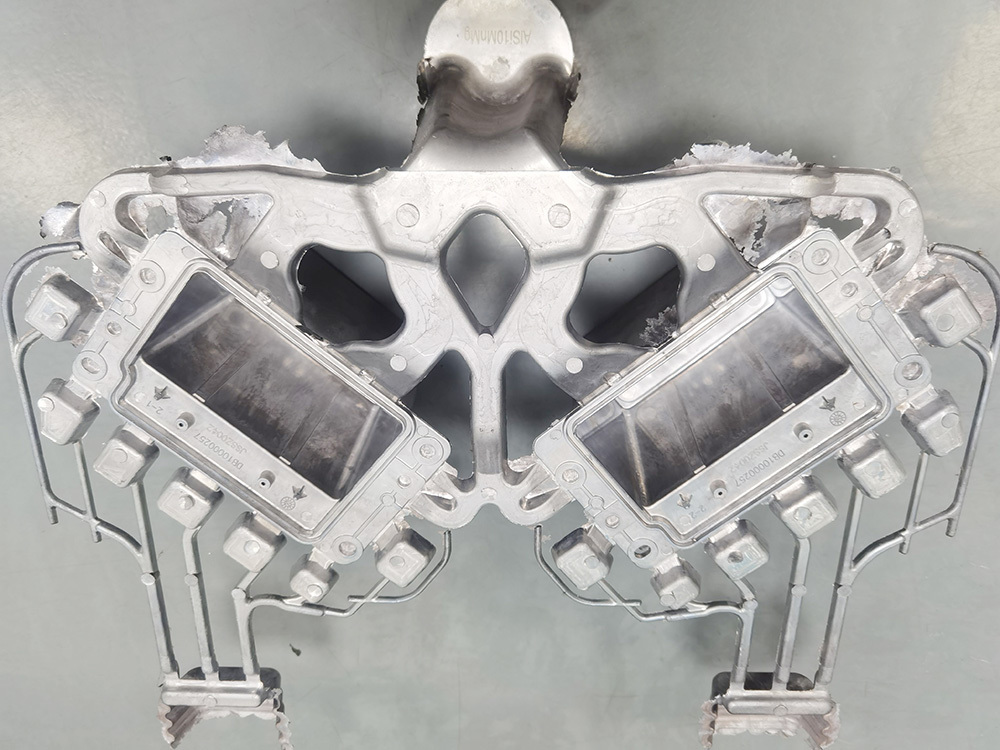
Understanding Aluminum Molds for Injection Molding: Benefits and Applications
When it comes to injection molding, the choice of mold material plays a critical role in determining the efficiency and quality of the manufacturing process. Aluminum molds are increasingly popular among manufacturers due to their unique properties and numerous advantages. In this article, we will delve into the importance of aluminum molds for injection molding and how they can benefit your produ
05
2026
-
07
Unlocking the Potential: Exploring the Benefits of Large Part Injection Molding in Manufacturing
Unlocking the Potential: Exploring the Benefits of Large Part Injection Molding in Manufacturing Table of Contents 1. Introduction to Large Part Injection Molding 2. Understanding the Injection Molding Process 3. Key Benefits of Large Part Injection Molding 3.1 Cost Efficiency in Manufacturing 3.2 Enhanced Product Quality 3.3 Design Flexibi


Page keywords:
Ted Xing specializes in machining centers, automotive cooling molds, precision components for semiconductor equipment, and high-precision parts for medical devices. We also offer precision mechanical components, automation equipment parts, as well as advanced die-casting molds and plastic mold design and manufacturing. Additionally, we provide CNC product machining and lathe processing services, including three-axis, four-axis, and five-axis precision machining on machining centers. Our expertise extends to Japanese Makino slow-wire EDM and precision electro-discharge machining.
Contact Information
Address: No. 2 Xishan Road, Biquan Subdistrict, Bishan District, Chongqing City